Why Off-Season Greece Might Be the Best Trip You've Ever Taken
Let's be honest when most people picture Greece, they picture July. Packed ferries, sweaty cobblestone streets, waitlists for the "good" sunset spot in Oia, and hotel prices that make your wallet physically hurt. And don't get me wrong, summer Greece is gorgeous. But off-season Greece? That's where the magic actually lives.
If you've been dreaming of the blue domes, the ancient ruins, and the food that ruins all other food for you — here's why you should stop waiting for summer and start planning for spring or fall instead.
When Is "Off-Season" in Greece?
Greece's tourist calendar breaks down into three windows, and knowing the difference is half the battle.
High season runs June through August. You will experience peak crowds, peak prices, and temperatures pushing well into the 90s. Book everything months in advance or prepare to compromise on pretty much everything.
Shoulder season covers April/May and September/October. This is the sweet spot. Mild temperatures, manageable crowds, and prices that actually make sense. This is where the good trips happen.
Low season is November through March. Best for budget travelers and history buffs. Some island businesses close, but the mainland (especially Athens) is wonderful and completely walkable without the chaos.
The Crowd Situation: What Nobody Tells You
Greece has become one of the most visited countries in Europe, and it shows. During peak summer, popular spots like Santorini and Mykonos are genuinely overwhelming. The "quiet village" you saw on Pinterest? It has a line. The sunset viewpoint in Oia? You're sharing it with several hundred strangers and approximately one thousand camera phones.
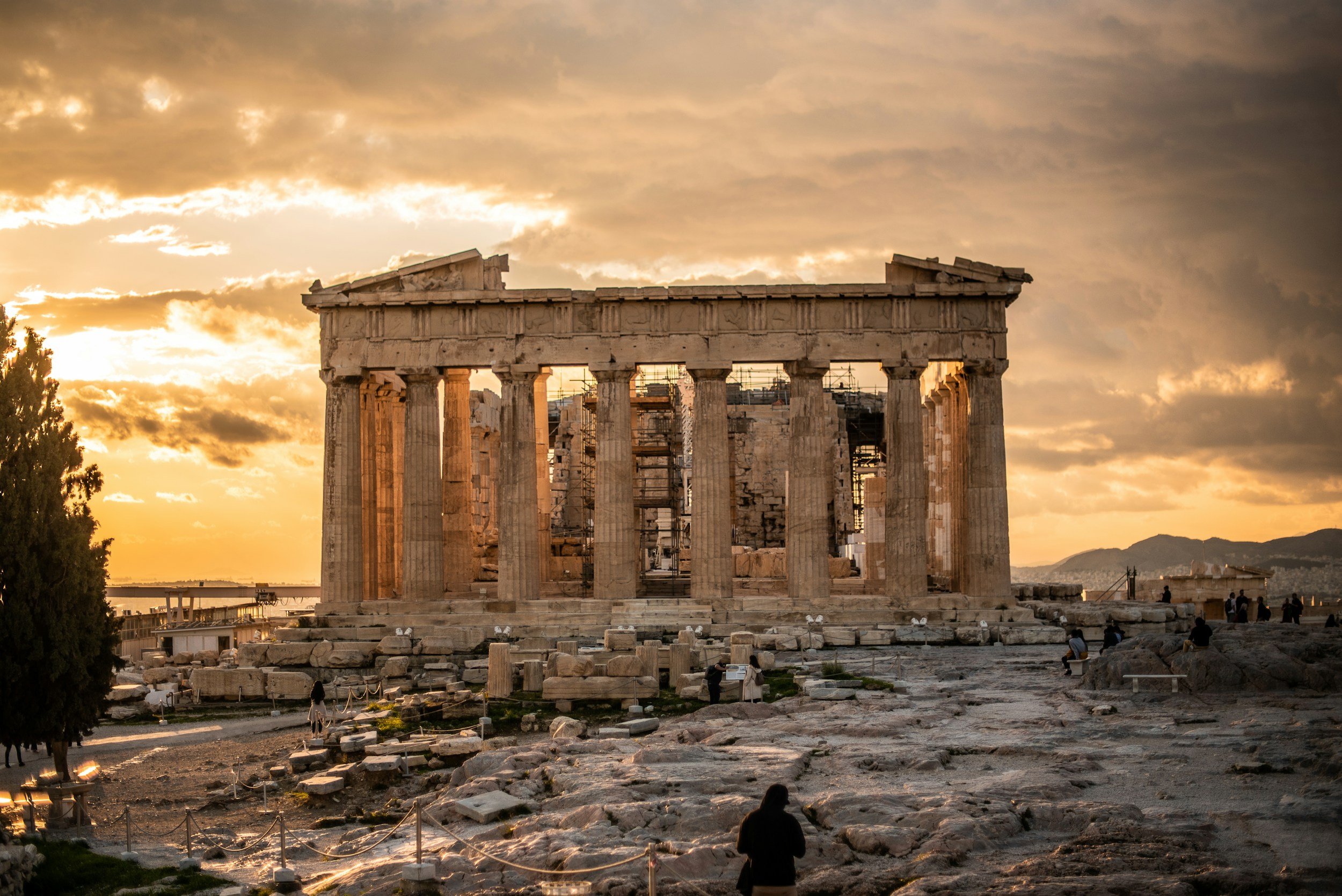
Off-season is a completely different experience. The Acropolis in Athens without shoulder to shoulder crowds? Yes, that exists. A table at a cliffside taverna in Santorini without a reservation? Absolutely possible. Wandering the streets of Mykonos and actually being able to hear the wind? Revolutionary.
The vibe shifts from tourist attraction to actual place people live and love and that's when Greece really gets you.
Hidden Gems That Are Way Better Off-Season
Meteora is mainland Greece's best kept secret, and it is absolutely unreal. Ancient monasteries perched on top of massive rock pillars rising out of the earth like something out of a fantasy novel. In summer, bus tours descend by the dozens. In spring or fall, you can hike the trails and feel like you discovered it yourself. Go. Immediately.
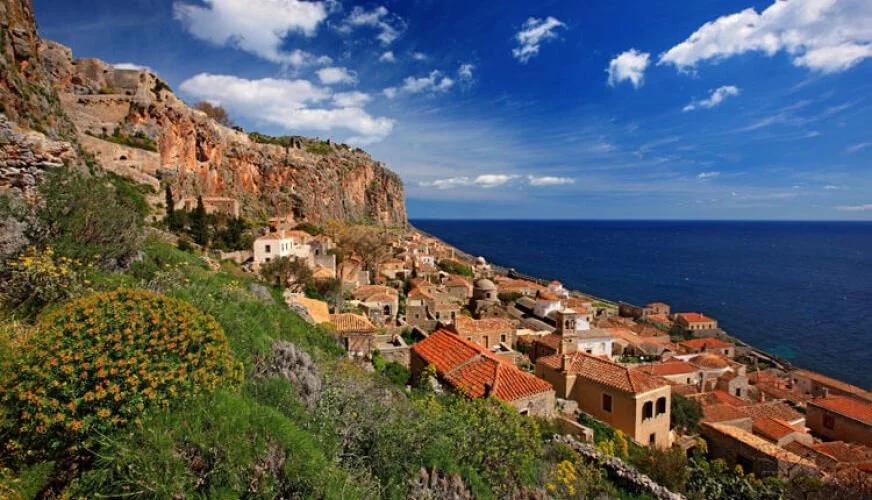
The Peloponnese Peninsula offers gorgeous coastline, ancient ruins, and charming villages with practically zero tourist crowds even in peak season. The town of Nafplio alone is worth the trip and arguably one of the most beautiful towns in all of Greece, and most people have never heard of it.
Naxos is bigger than Mykonos, quieter than Santorini, and honestly has better beaches than both. It has a lush interior full of villages and hiking trails, and off season it's wonderfully slow and authentically local.
Crete is Greece's largest island and a full destination on its own, dramatic gorges, incredible food, secret beaches, and a culture that feels entirely its own. Crete has a longer season than the smaller islands, meaning you can visit well into October and still have a brilliant trip.
Rhodes gives you a medieval old town, castle walls, and crystal clear water. In summer it's busy. In shoulder season it's perfect for slow wandering and long lunches with a glass of local wine.
What to Do and See (Beyond the Instagram Shots)
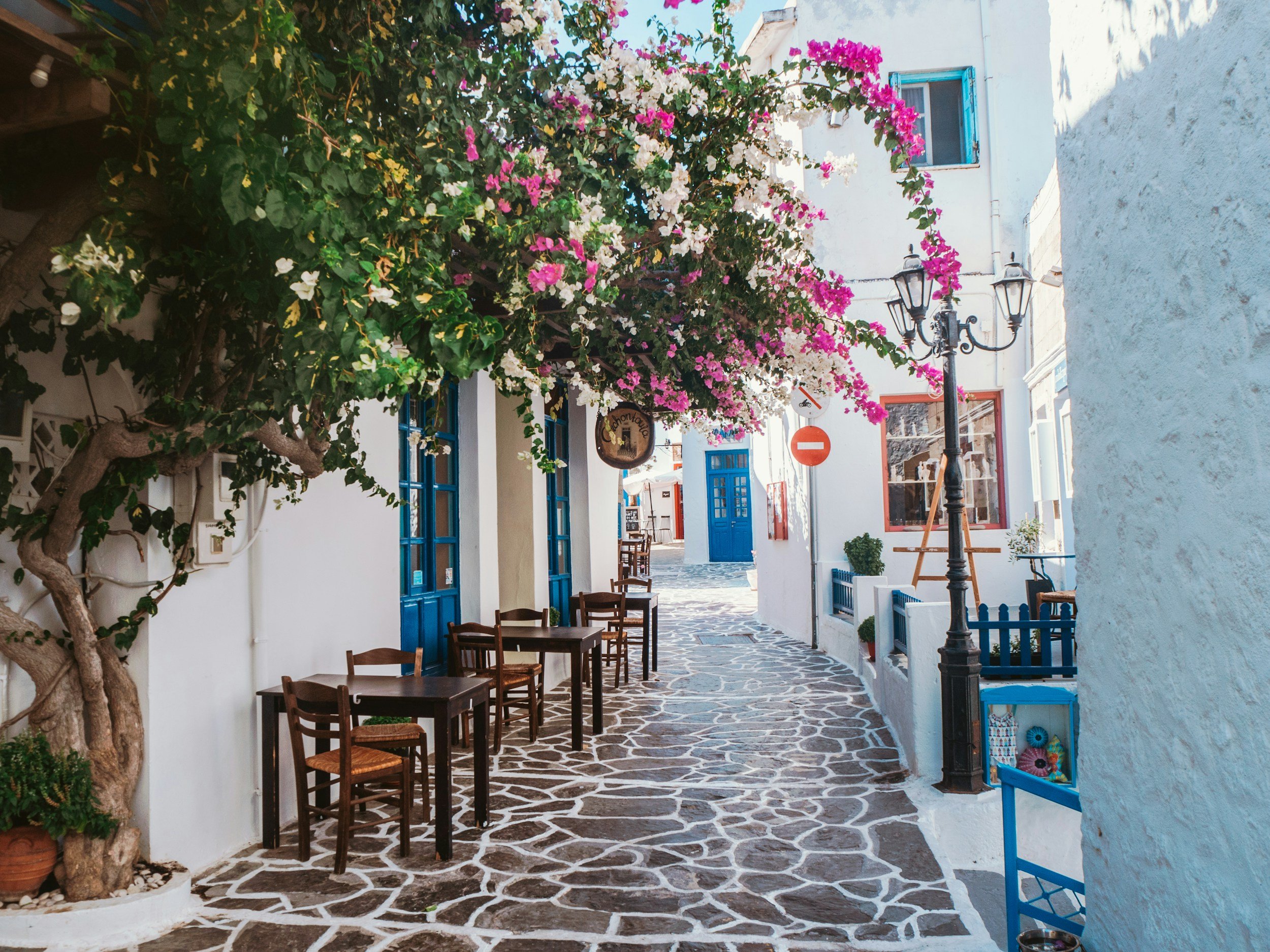
Eat like a local. Greek food is meant to be shared (order meze style), meaning a table full of small plates everyone picks from. Tzatziki, grilled octopus, fava, tomato fritters, fresh seafood. In shoulder season, the tavernas are full of Greeks, not tourists, and that's always the sign you're in the right place.
Catch a festival. Orthodox Easter is the biggest holiday of the year in Greece, candlelit processions, fireworks, and community feasts. It's a stunning cultural experience. In autumn, Santorini hosts a grape harvest festival with wine tastings and local celebrations throughout the island.
Hike Meteora and the mainland. The cooler temperatures of spring and fall make hiking actually enjoyable rather than a survival situation. The wildflowers in May are genuinely breathtaking.
Island hop without the ferry chaos. Summer ferries get delayed and packed. Shoulder season? Smooth, scenic, and completely stress-free.
Explore Athens properly. The Acropolis, the Acropolis Museum (one of the best museums in the world, full stop), the ancient Agora, the Monastiraki flea market, the street food in the Psiri neighborhood. Athens deserves at least two nights, and off-season you can actually move through it at a human pace.
A Note on Booking: Don't Sleep On It
Here's the thing about off season Greece, it's not a secret anymore. Word has gotten out. The best boutique properties on Santorini and Mykonos still sell out, just a little later than summer. If you want a caldera view suite in Oia in September, you're still booking months ahead.
This is exactly where having a travel advisor makes a real difference. Knowing which properties are worth the splurge, which ones look great on Instagram but disappoint in person, and how to build an itinerary that doesn't waste a single day of your trip that's the whole job.
The Bottom Line
Greece in the off season is quieter, more affordable, more authentic, and honestly? More beautiful. The light in October on Santorini is different. The energy in Athens in April is electric. The Peloponnese in May with wildflowers everywhere is the kind of thing you describe to people for years afterward.
Stop waiting for summer. Greece is ready for you right now.
Ready to make it happen? Let's build your perfect Greek itinerary together.